Week 11

Delicata squash clipped and curing in the field

While the days our getting shorter, our to-do list at the farm is still a healthy length each week! Some summer crops like zucchini are winding down but fall crops such as winter squash and leeks are ready for harvest. Evidence of the changing season will be in the greenhouse this week, peek in and you will see acorn, spaghetti, and delicata squash starting to pile up!  We grow 8 different types of squash, the spaghetti squash is ready first and will be in the CSA and Farm store this week. Some of the other winter squash varieties need time to cure so we leave them in rows in the field or in the greenhouse from 2-4 weeks. The curing process after harvest changes some of the starches in the squash to sugar, resulting in the sweet, creamy squash we all will enjoy in late September and October! We will begin to distribute the squash as they are ready throughout the remaining weeks of the season.

Another sure sign of fall approaching is our cover crop order arriving this week. A quick look out to the fields and you can see the large areas of open ground we have been preparing for next season. We have plowed and disked over 4 acres where we will seed cover crop as soon as possible. Some areas will be planted in oats and peas, while others will be covered by triticale and Austrian winter peas. Both of these plantings will fix nitrogen in the soil, cover the ground to prevent erosion, and add organic matter to our sandy soils. The fields of cover crop will be plowed again in the spring and before you know it will be producing our 2015 veggies!


In the CSA:
Sweet Peppers!
  • Spaghetti Squash- These squash are named for their resemblance to pasta, and that is how we like to eat them! To prepare, cut in half, remove seeds from the center, and bake. Once soft enough to pierce with a fork, take out and let cool and then use a fork to remove the “spaghetti” from the center of the squash. Top with fresh tomatoes, olive oil, and parmesan cheese and you have a light meal ready to go!
  • King Richard Leeks- The first leeks of the season are a smaller variety called King Richard, we often sautee them like you would onions.  Use from the bottom of the white stem up into the greens, stop when you reach the tougher green leaves at the top. The tops can be saved for making soup stocks!
  • Swiss Chard
  • Yellow and Red Watermelon
  • Green peppers
  • Sweet yellow, orange, and red peppers- We will have yellow and orange bell peppers as well as Italian varieties Oranos (orange) and Carmen (red). Yum! 
  • Chioggia and Red Ace Beets
  • Slicing Tomatoes
  • Red Potatoes
  • Eggplant
  • Summer Squash and Zucchini- Slowing down but we will still have a limited amount available for the next couple of weeks. 
  • Lettuce 
  • Escarole
  • Kale- Curly and Toscano
  • Nelson Carrots
  • Arugula
  • Cucumbers- pickling and slicers

CSA pick-your-own:

  • Husk Cherries
  • Tomatillos
  • Cherry Tomatoes - The last of the cherry tomatoes for the season. 
  • Hot Peppers - Jalapeno, Serrano, Capperino, Cayenne, Thai Hot 
  • Sunflowers
  • Dill and Cilantro 
  • Oregano- Right by the farm stand in a raised bed with the thyme.
  • Thyme
In the store:

In the store this week we will have most of the items that are available in the CSA. In addition, we will have snap beans, and continue to carry corn from Verrill Farm. We may have some Happy Rich Baby broccoli in the farm stand on Thursday.


Recipe: Escarole and Beans

October 5, 2005 from the newyorktimes.com dining and wine archives

Time: 30 minutes

1/3 cup extra virgin olive oil

1 tablespoon sliced garlic

4 anchovy fillets, or to taste, optional

1 fresh or dried chili, stemmed, seeded and minced, or 1 teaspoon dried red chili flakes, or to taste

1 pound escarole or other bitter green, trimmed, washed and dried

1 cup cooked white beans

3 cups chicken stock or water

Salt and pepper to taste.

1. Put half the oil in a large, deep skillet or casserole and turn heat to medium. Put half the garlic in oil, with anchovies and chilies. Stir occasionally until garlic begins to color. Add escarole and stir; add beans and stock or water and adjust heat so mixture simmers steadily. Cover.

2. Cook about 15 minutes, or until escarole is tender. Stir in rest of garlic and cook another minute, then taste and adjust seasoning, drizzle with reserved olive oil, and serve.

Yield: 4 servings.

Escarole and Beans with Meat As above except omit anchovies and begin by browning ¼ pound bacon, ½ pound crumbled sausage or 1/8 pound prosciutto in 2 tablespoons olive oil.

Escarole and Beans with Crouton and Parmesan While soup is cooking, toast 8 1-inch thick slices of French or Italian bread (it can be quite stale). Put in bottom of bowls and sprinkle with freshly grated Parmesan to taste. Or you can add about 1 cup cooked rice or small noodles to soup when it is nearly done.

Escarole and Beans with Vegetables When you add stock or water, add 1 chopped tomato (or a couple of chopped canned tomatoes), ½ cup finely chopped carrot (remember: it must cook quickly), and ½ cup finely chopped celery.


Week 10

So far we have enjoyed a wonderful first growing season at Barrett’s Mill Farm. There has been plenty of heat to ripen the watermelons and enough rain to keep our greens and lettuce growing. While we have had minor setbacks, all in all it has been smooth sailing. However, last week, our heirloom tomatoes became infected with late blight. Late blight is an air-borne fungus that has become an increasingly common tomato affliction in our region in recent years. Every year late blight spores make their way up north from the southern states where it can survive the warmer winters. This fungus can wipe out otherwise healthy tomato or potato plantings in a matter of days under the right conditions. Last Tuesday we discovered a few suspicious looking leaves on one of our heirloom tomato plants. We removed the plant as well as several plants next to it that weren’t yet showing symptoms and sent a sample to UMass Extension to confirm. Unfortunately, the rain we received Wednesday further spread the disease and Thursday we went to work removing stakes, trellising twine, plastic mulch and drip irrigation before mowing and rototilling in three of our tomato beds. Though not all of the plants in those beds were exhibiting symptoms, we tilled in the entire planting to prevent the spread of the disease to our other plantings, as well as to other neighboring farms and gardens. We will continue to monitor our late blight-resistant red slicing tomatoes, as well as our cherry tomatoes, which are far enough away from the other tomatoes that they may not have been affected.

Late blight is a particular challenge for organic farmers to manage. The one organically approved fungicide that is effective against late blight is copper, and it only works as a preventative measure (so it won’t “cure” late blight once you already have it). Whether or not to spray copper is a question that Melissa and I have struggled with many times. On the pro side, it can help ensure that you get a long tomato season. Tomatoes are an expensive crop to grow, both in terms of resources and time, so it is a particularly frustrating crop to lose after months of nurturing. However, there are also several important cons to consider. In order to be effective, spraying has to be done on a regular schedule. With just the two of us this year, time is at a premium and we felt that we couldn’t afford to spend several hours every week spraying our tomato plants. More importantly, though, we struggle with whether or not spraying copper fits in with our farming philosophy. Copper is a heavy metal that is moderately toxic to aquatic life, which is a concern given our proximity to the Assabet River. Also, while copper is not considered to be a hazard to people consuming tomatoes that have been sprayed (as long as the tomatoes are washed), it is a risk for the person who is mixing and applying the spray. For these reasons we opted this year not to spray any of our tomatoes. Instead, our strategy was to try to plant a high proportion of late-blight resistant tomato varieties. Unlike other tomato diseases, late blight does not hold in the soil, so we will work again next year to prevent it by increasing the amount of late blight-resistant varieties we grow, while also evaluating whether or not it makes sense to us to spray a limited amount of our tomato plantings.

We are really happy that we have managed to get several solid weeks of tomato harvest, starting with cherry tomatoes in the last two weeks of July. We’re hopeful that we will still be harvesting from our surviving plants for a few more weeks before we start to really focus on the fall crops, as there is still much to celebrate and enjoy at the farm! We are now at the halfway point of our CSA season, week 10 of 20. If you have Barrett’s Bucks this is a good week to look at your balance because there are 10 more weeks after this one to use up your remaining Bucks. What is yet to come? Leeks, spaghetti squash, Keuka Gold and Purple Viking potatoes, sweet fall carrots and beets, parsnips, cabbage, broccoli, cauliflower, Brussels sprouts, butternut squash and much more!

In the CSA:
Yellow watermelon and cross-section of Chioggia Beets

  • Yellow and Red Watermelon - The yellow is just as sweet as red watermelon, but with an
    unexpected color!
  • Chioggia Beets
  • Colored peppers - a mix of colored bell peppers and sweet Italian "corno di toro" types
  • Green peppers
  • Slicing Tomatoes
  • Red Potatoes
  • Eggplant
  • Lettuce 
  • Escarole
  • Kale
  • Nelson Carrots
  • Red Ace Beets
  • Arugula
  • Red Russian Kale
  • Mustard Greens
  • Cucumbers- pickling and slicers
  • Summer Squash
  • Zucchini
CSA pick-your-own:
  • Green Beans
  • Purple and Yellow Wax Beans
  • Husk Cherries or Tomatillos
  • Cherry Tomatoes - Jasper, Sungold, Black Cherry, Matt's Wild and Mountain Magic
  • Hot Peppers - Jalapeno, Serrano and Capperino
  • Sunflowers
  • Dill and Cilantro - there's a newer planting that is looking pretty good this week!
  • Lemon and Thai Basil
  • Oregano
  • Thyme
In the store:
In the store this week we will have most of the items that are available in the CSA. In addition, we will continue to carry corn from Verrill Farm.

Week 9

This week is a great time to appreciate the bounty of the season as we continue to harvest summer favorites like tomatoes, peppers, cucumbers, zucchini, squash and red potatoes while also beginning to harvest watermelon and celebrating the return of beets! As we appreciate the delicious veggies, we should also appreciate the many helping hands who helped bring them to your table. Our rock star student volunteers Nina, Emily and Charlotte have probably weeded every type of crop that we grow, but they have particularly put their stamp on next year's strawberries (which have needed to be weeded at least three times so far this season!). Melissa's brother Eric has taken time from his busy work schedule to help us out on a number of occasions, most recently last Friday when he helped us to get the nutsedge in our peppers under control (among many other things). Those of you who visit the store and CSA on Thursdays have met Jane and Lise's mom Kathy, who help keep the shop in order so that we can work on projects in the field. Lise's dad David has taken on a series of construction projects to ensure that our store and greenhouse are functional. Many other individuals and school groups (including from Willow Hill and Salem Community Charter School) have lent a helping hand this summer as well. We feel so lucky to have such a great community of volunteers providing help at just the right moment!

Two helpers deserve particular mention this week, as we will no longer be enjoying their company out in the fields this season. Becky, who provided an enormous amount of help harvesting, washing, planting, seeding and weeding with us four days a week completed her planned move to Chicago last week to be close to family and begin her studies in Early Childhood Education. We are going to miss her, but we're hoping to lure her back next summer! Also, our friend Christine has steadfastly showed up all season, sometimes with a whole crew in tow, to help plant and weed a number of crops. She took farm volunteering to the next level two weeks ago when she showed up to weed carrots while in the early stages of labor! You may see her sometime in the store in the coming weeks with (hopefully) our newest farmhand: daughter Josie!

It's great to look back on all that has been accomplished so far this season with the help of our friends, but of course, the hard work isn't over yet. We continue to work on controlling weeds in many of our fall crops (as well as occasionally in the crops we're harvesting now!). We still have a few crops like lettuce, bok choi, napa cabbage, radishes and greens to seed and transplant for late fall harvest. We're also working on building our soils for a strong season next year by seeding cover crops. You may notice this week that the beautiful field of flowering buckwheat in our western field was tilled under. We seeded the buckwheat earlier in the summer to smother weeds and build organic matter. After 10 days of flowering, we tilled in the buckwheat and are now preparing to seed some winter peas and triticale. As we till in more and more spring crops, we'll be making space for more soil-building cover crops in the next month.

Buckwheat pre-flowering


In the CSA:
Escarole
  • Watermelon - this week we're featuring Starlight, which is a variety of red watermelon. These are not the seedless watermelons you might be used to seeing in the grocery store. Time to plan some old-fashioned watermelon seed spitting contests!
  • Red Ace Beets - germination on our fall plantings was much better than in the spring, so we should be enjoying beets more regularly in the coming weeks.
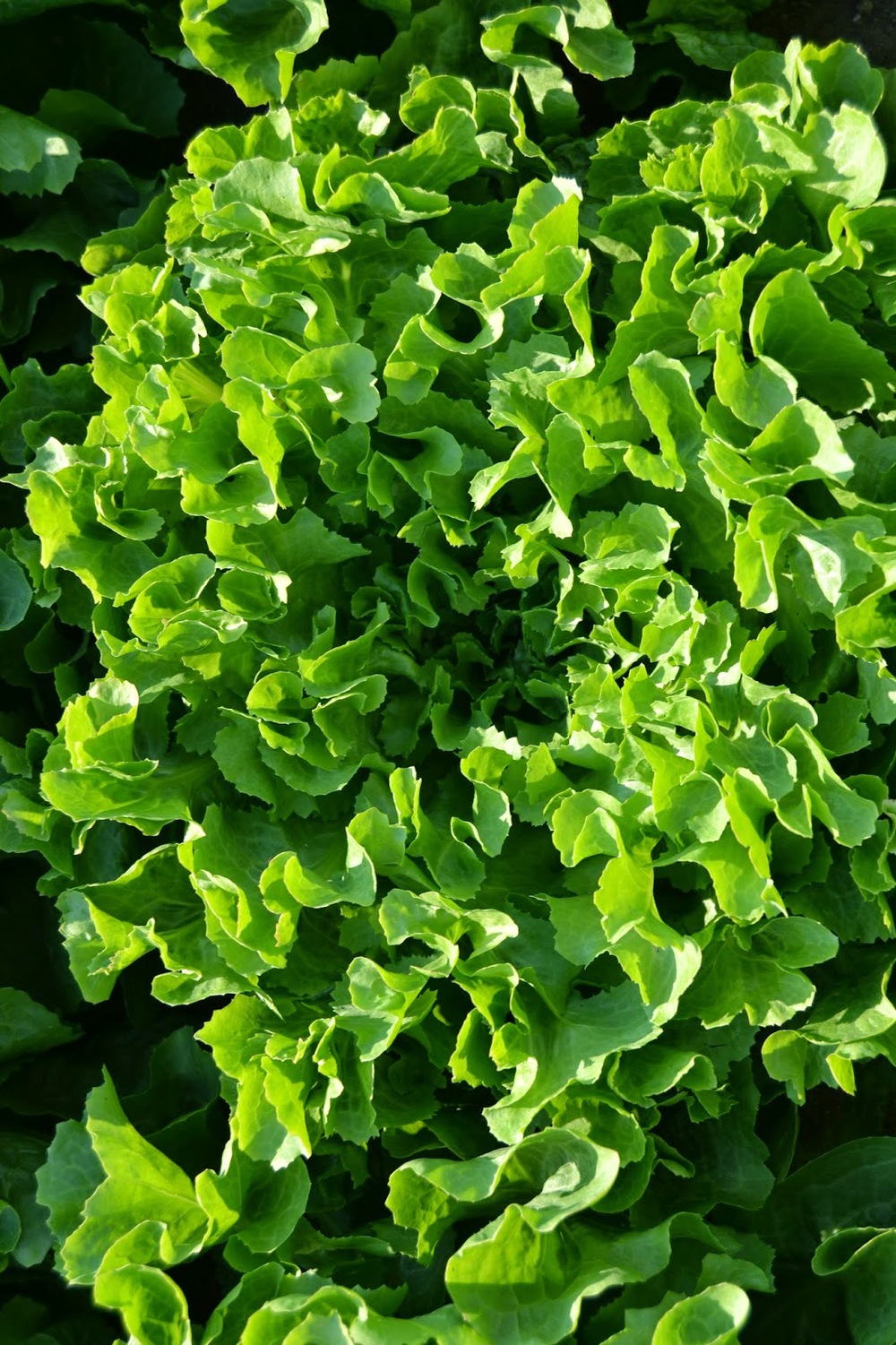
  • Escarole - not to be confused with lettuce, this green should be cooked, as it is bitter when raw. This is particularly tasty in soup or cooked with white beans.
  • Peppers- green, purple, flamingo
  • Heirloom Tomatoes - these tomatoes are what tomatoes are all about! They are sweeter, more colorful and possess more intense flavor than red slicers. Make a colorful tomato salad out of Pruden's Purple (actually pink), Striped German (yellow with pink streaks), Valencia (orange), Cherokee Purple (brownish purple with green shoulders) and Cherokee Green (yellowish green).
  • Slicing Tomatoes - the standard red tomatoes are still pretty tasty, but once heirloom tomato season begins I tend to use these for cooking and save the heirlooms for raw eating.
  • Red Potatoes
  • Eggplant
  • Lettuce
  • Nelson Carrots
  • Arugula
  • Red Russian Kale
  • Mustard Greens
  • Cucumbers- pickling and slicers
  • Summer Squash
  • Zucchini
CSA pick-your-own:
  • Husk Cherries or Tomatillos
  • Cherry Tomatoes - Jasper, Sungold, Black Cherry, Matt's Wild and Mountain Magic
  • Hot Peppers - Jalapeno, Serrano and Capperino
  • Sunflowers
  • Dill and Cilantro - there's a newer planting that is looking pretty good this week!
  • Lemon and Thai Basil
  • Oregano
  • Thyme
In the store:
In the store this week we will have most of the items that are available in the CSA. In addition, we will continue to carry corn from Verrill Farm.